
Research insights from the Reviva X lab bench
Mechanism explainers, purity standards and evidence reviews written for researchers working with peptides in the laboratory setting.
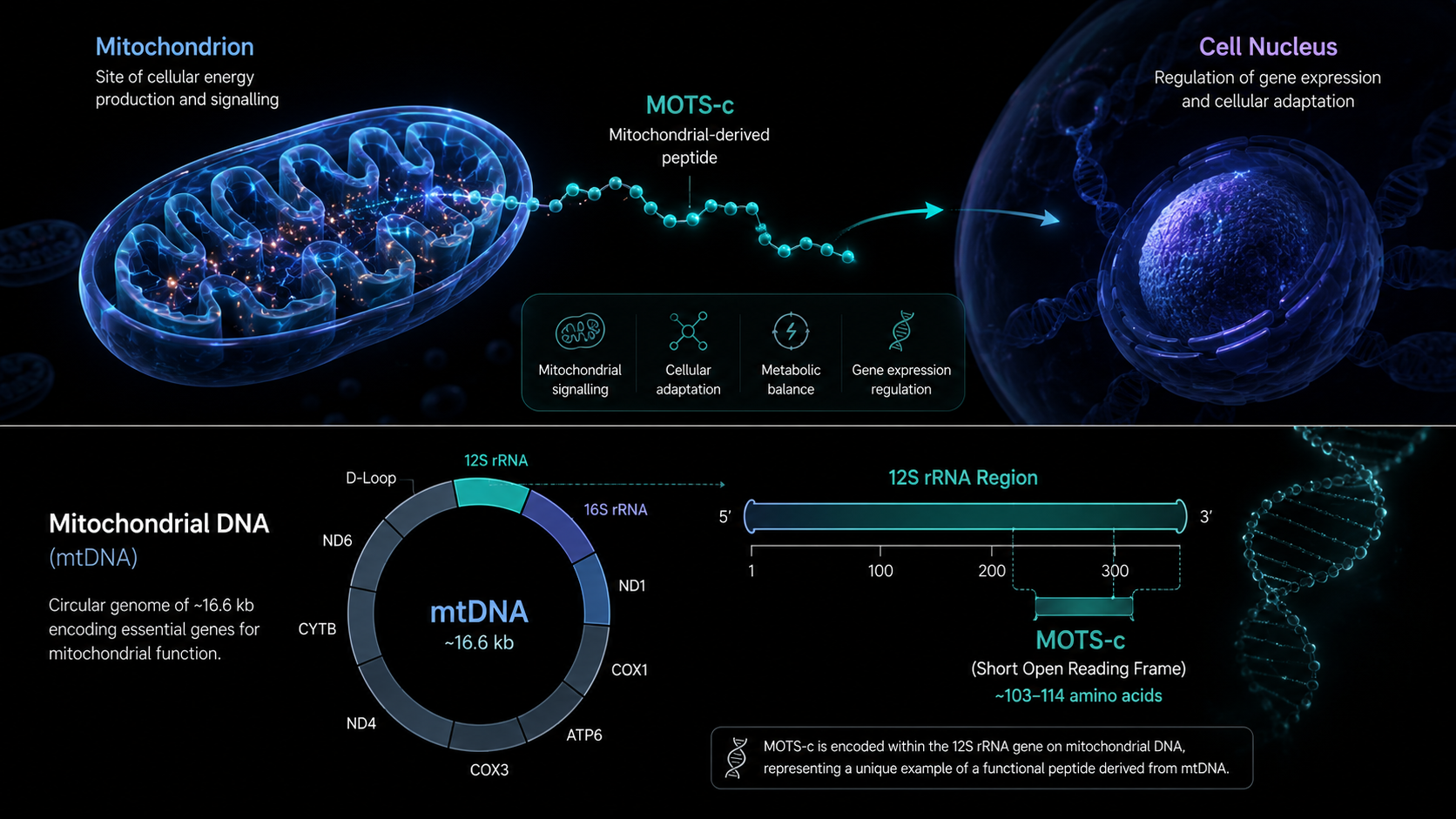
MOTS-c Explained: The Mitochondrial Peptide Scientists Are Watching Closely
MOTS-c is a naturally occurring 16-amino-acid peptide, discovered in 2015, that is unusual because it is encoded not in the cell’s main (nuclear) DNA but within mitochondrial DNA…
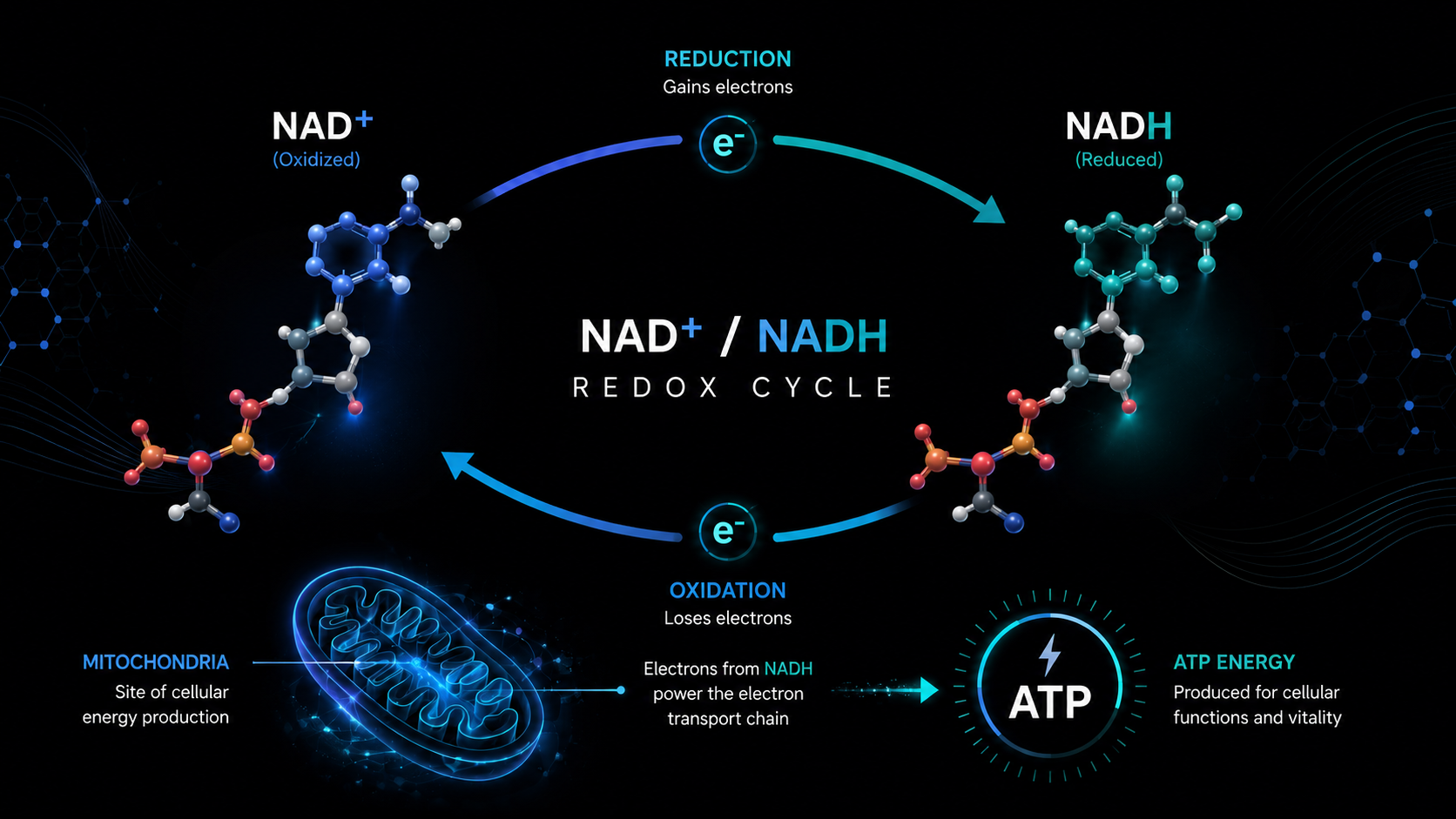
What Is NAD+? The Molecule Your Body Can’t Live Without
NAD+, or nicotinamide adenine dinucleotide, is a coenzyme present in every human cell that enables the chemical reactions cells use to produce usable energy. It works mainly by…
Read more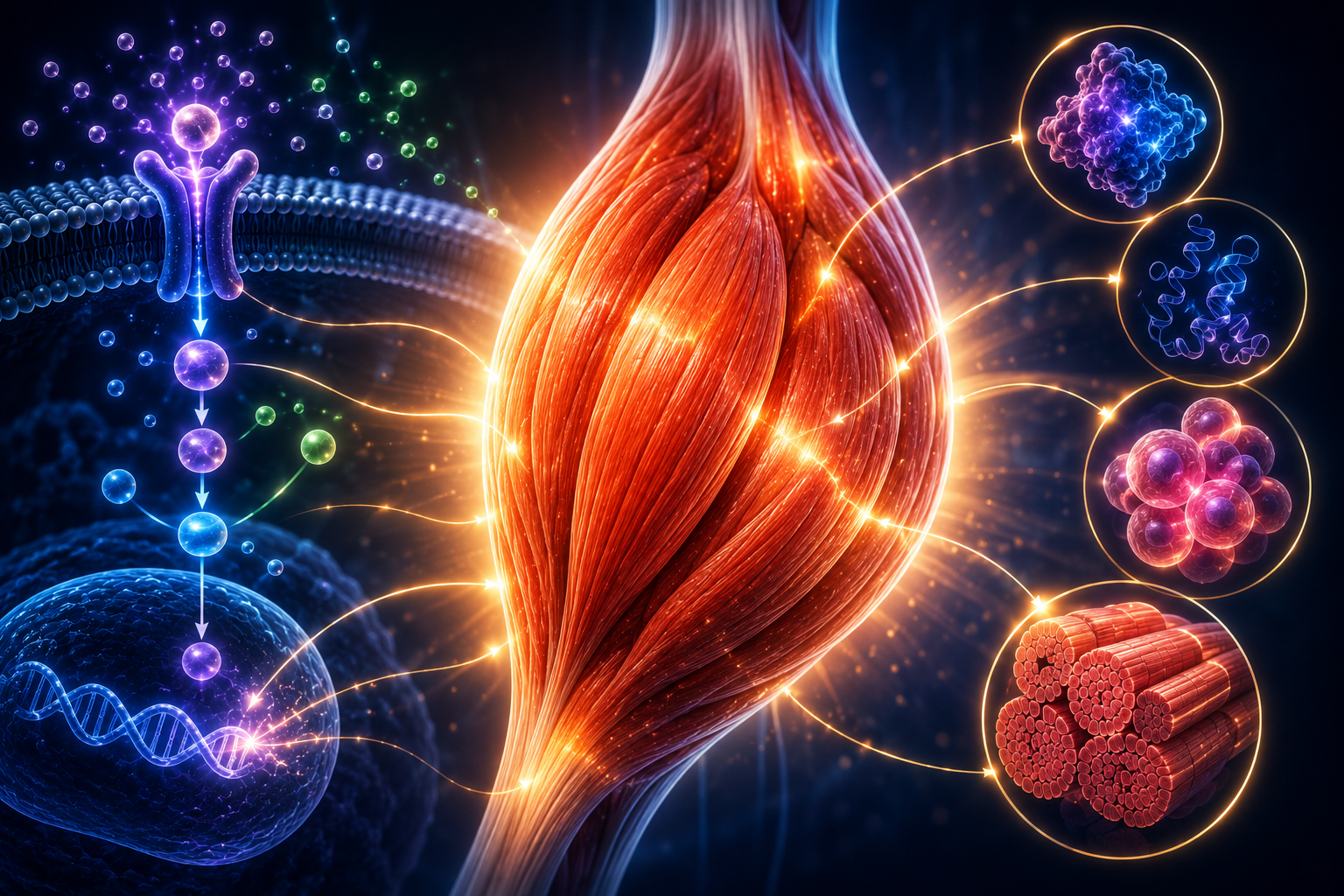
How to Use Peptides for Muscle Growth: A Research Overview
Interest in peptide science has expanded rapidly over recent years, especially within the broader conversation around recovery research, metabolic studies, and cellular…
Read more
Top 10 Peptides for Longevity Research
Longevity research has exploded over the past decade, and peptides sit right at the centre of it. Unlike broad-spectrum supplements or single-target pharmaceuticals, peptides…
Read more
BPC-157 for Structural Recovery: A Research Overview
BPC-157 is one of the most talked-about peptides in structural recovery signaling research right now, and for good reason. Short for Body Protection Compound-157, this synthetic…
Read more
Multi-Pathway Approaches in Peptide Research: Why Single Targets Are Not Enough
One of the biggest shifts in modern biological research has been the move away from single-target thinking. For decades, the dominant approach was reductionist — isolate one…
Read more
Why Recovery Capacity Changes With Age
If you have ever noticed that injuries take longer to heal, workouts take longer to bounce back from, or general wear and tear seems to accumulate faster than it used to — you are…
Read more
SS-31 (Elamipretide): Targeting the Mitochondrial Membrane Directly
Most compounds that claim to support mitochondrial function work indirectly — through antioxidant activity, precursor supplementation, or upstream signalling. SS-31 is different.…
Read more
BPC-157 and Regenerative Research: What the Science Actually Shows
BPC-157 keeps appearing in regenerative research, and for good reason. This synthetic pentadecapeptide — derived from a protective protein found in human gastric juice — has…
Read more
Growth Hormone Secretagogues: How Ipamorelin Works
Growth hormone is one of the most important signalling molecules in the body. It drives structural recovery signaling, supports lean body composition, regulates metabolism, and…
Read more
Sleep and Biological Recovery: What Happens When the System Breaks Down
Sleep is not downtime. It is when the body does its most critical maintenance work — clearing metabolic waste from the brain, consolidating memory, repairing biological structure,…
Read more
Mitochondrial Function and Cellular Energy: Why It Matters for Ageing
If there is one thing that connects nearly every hallmark of ageing, it is energy. Specifically, the declining ability of cells to produce it efficiently. And that brings us to…
Read more
GHK-Cu and Gene Expression: Why Researchers Call It a Reset Signal
Most peptides in longevity research are studied for what they do to a specific pathway or biological structure. GHK-Cu is studied for what it does to the genome. This naturally…
Read more
NAD+ and Cellular Ageing: The Coenzyme at the Centre of It All
If you spend any time reading longevity research, you will encounter NAD+ within the first few pages. Nicotinamide adenine dinucleotide is not a new discovery — it was first…
Read more
Why Purity Matters in Peptide Research
In research, the quality of your materials determines the quality of your data. This is true across every scientific discipline, but it is especially critical when working with…
Read more